

The audio market is currently flooded with affordable true wireless stereo (TWS) options, and navigating through the noise to find a device that balances performance with cost can be a headache. Soundpeats has introduced the C30 as a fresh competitor in the affordable segment, specifically targeting the price point around $40.
This device positions itself above the older Soundpeats Q3 Pro, bringing active noise cancellation (ANC) and a surprisingly comprehensive feature set to the table. It is designed to disrupt a crowded field that already includes heavy hitters, offering consumers yet another viable choice when upgrading their daily audio drivers.
My analysis here focuses on whether the C30 stands out enough to warrant your attention over its rivals. We are looking at a device that promises high-end specifications like the latest Bluetooth connectivity and high-resolution codec support, which are rare finds at this tier.

Specifications and Connectivity
Soundpeats has aggressively outfitted the C30 with the absolute latest in wireless technology, headlined by the inclusion of Bluetooth version 6.0. Utilizing such a modern standard in a budget-friendly device is a significant move, ensuring future-proofing and stable connections. Alongside the standard SBC and AAC codecs, the device supports the high-resolution wireless LDAC codec.

Enabling the LDAC mode for high-fidelity listening comes with functional restrictions that power users need to note. Activating this high-res codec disables the dual-device connection feature and the low-latency gaming mode. You are essentially forced to choose between the highest possible audio quality and the convenience of multipoint connectivity or gaming synchronization.

Hardware-wise, the audio is driven by substantial 12mm drivers, which are quite large for in-ear monitors and hint at the powerful sound signature we will discuss later. The battery life specifications are solid for daily use, with each earbud carrying a 40mAh capacity and the charging case housing a 500mAh battery. For durability and lifestyle integration, the units come with an IP54 rating, making them resistant to dust and water splashes.
App Integration and Unique Utility Features
Software support is often where budget TWS earbuds fail, but the C30 excels by offering full integration with the Soundpeats application. This app is incredibly feature-rich, providing granular control over almost every aspect of the user experience. You can toggle the ambiance modes, customize the touch gestures, and adjust the equalizer to suit your listening preferences. Managing the dual-device connection is also handled directly through the interface, provided you aren’t using LDAC. It even allows you to change the language of the voice prompts.

One of the most unusual and intriguing features found within the app is the “drainage mode.” This function is designed to expel water from the nozzle of the earbuds using sound waves. While water ejection features are common on smartwatches, seeing this on a budget pair of earbuds is practically unheard of.
The utility continues with a “Find Earbuds” feature and the ability to perform firmware upgrades, ensuring the device can improve over time. You also get toggles for Movie Mode, which expands the soundstage, and the ability to completely disable touch controls if you want to avoid accidental inputs. The sheer volume of features packed into the software makes the C30 feel like a much more expensive product.

Design and Build Quality
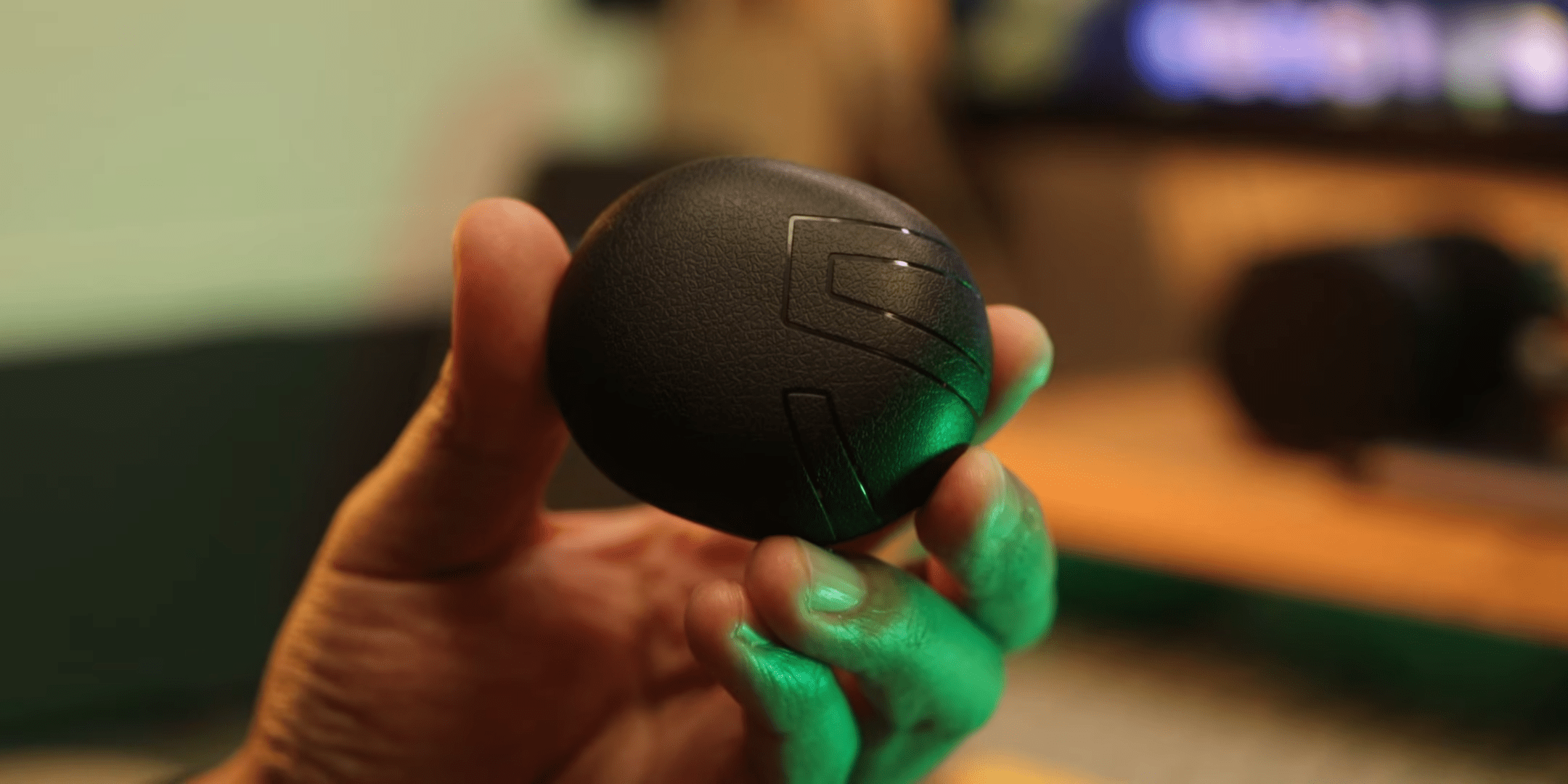
Visually and tactilely, the Soundpeats C30 presents a stark contrast between its charging case and the earbuds themselves, creating an experience I would describe as finding a pearl inside a rough shell. The charging case feels distinctly economical. It features a textured finish resembling an orange peel, which makes the plastic material very apparent. It does not attempt to mimic faux leather or rubberized finishes found on premium devices.

Despite the cheap feeling of the case, it proved to be durable during my time with it. I accidentally dropped the unit during the shoot, and it survived without shattering, although the earbuds were ejected upon impact. This suggests that while the plastic feels inexpensive, it is not brittle.
Once you open the case, the earbuds themselves tell a completely different story. They protrude slightly and display an elegant design with excellent attention to detail. The craftsmanship on the buds is commendable, looking far more premium than the case that houses them. The white variant, had it been available, would likely look even more stunning.

Audio Performance
Testing the sound quality reveals a character that is unapologetically energetic and powerful. The 12mm drivers produce a sound signature that is incredibly “punchy,” with a bass response that is round, deep, and hits hard. This is a sound profile built for those who enjoy the physical sensation of music—the “jedag-jedug” experience. The power output is significant; the volume and intensity are enough to cause ear fatigue quickly for those not accustomed to such high energy, but bass-heads will find this absolute heaven.
Control over this massive low-end is surprisingly good. The bass is agile and does not sound muddy or loose, keeping the rhythm tight. However, this heavy bass emphasis does bleed into the other frequencies. Vocals feel thick and heavy, carrying the weight of that powerful low-end. While the mid-range remains clear and distinct, it lacks naturalism, sounding somewhat processed and deep. This actually works well for podcasts, giving voices a broadcast-style depth.

Treble frequencies manage to break through the bass to provide a “sparkling” sensation. You can clearly hear the “cling-cling” of cymbals and high notes, which are pleasant to the ear. However, like the mids, the highs are not crystal clear; they are colored by the overall warmth and dominance of the bass. The soundstage is a highlight, offering a sense of space that is above average for this class, and the virtualization of sound direction is accurate. This is a fun, V-shaped sound signature designed to please the mass consumer market rather than audiophiles.
Gaming Latency
For mobile gamers, latency is a critical metric, and my testing with PUBG Mobile revealed distinct behaviors depending on the mode used. In the standard default mode, the delay is palpable and problematic. I experienced a delay of roughly 3 to 5 steps between stopping my character and hearing the footsteps cease.

Activating the dedicated Gaming Mode completely transforms the experience. The reduction in latency is significant, bringing the audio almost perfectly in sync with the visuals. Footstep trails were reduced to a negligible amount, and other action sounds aligned correctly with the on-screen events. The delay becomes thin enough to be acceptable for casual and even semi-competitive play.
Active Noise Cancellation and Transparency
The headline feature for the C30 is undoubtedly its Active Noise Cancellation (ANC), which boasts a reduction depth of up to 52dB. In practice, the ANC is adaptive and surprisingly effective for the price. Switching from Transparency mode to Normal, and then to ANC, results in a significant and audible shift in environmental isolation.

Transparency mode is equally functional, allowing ambient sound to pass through clearly. The distinction between the three modes (ANC, Normal, Transparency) is stark, which is a testament to the quality of the implementation.
While the ANC performance is impressive, it naturally does not reach the levels of luxury flagship models. It is “enough” to provide comfort and isolation, but it won’t create an absolute void of silence. However, considering the asking price, the performance is well-calibrated.
Microphone Quality
Microphone quality on the C30 is best described as “standard TWS,” hovering somewhere between average and good. The 6-microphone setup works hard to cancel out environmental noise (ENC), but this aggressive processing comes at a cost. My voice recordings revealed a slightly robotic character, appearing somewhat sharp and unnatural. This is a common artifact of heavy noise reduction algorithms trying to isolate speech from a chaotic background.

During stress tests involving wind and simulated cafe noise, the microphones demonstrated their capability to suppress unwanted sounds. The noise reduction is quite aggressive; while it successfully dampens wind and fan noise, it leaves a “shadow” or artifacting effect on the voice. Even after the noise source stops, there is a lingering processing effect before the voice returns to a more rounded, natural state.
Final Thoughts — Price & Value
The Soundpeats C30 enters the market as a compelling option for those willing to look past a cheap-feeling charging case to find excellent performance inside. Its sound signature is clearly tuned for the modern “bass-head” consumer—powerful, punchy, and energetic, though lacking in neutrality for purists. The inclusion of Bluetooth 6.0, deep ANC, and a genuinely useful app ecosystem makes it a standout regarding pure specifications. It sits comfortably alongside competitors like the Soundcore R50i NC and Baseus Bowie P1 Pro, offering a valid alternative that doesn’t skimp on features.
Value is subjective, but for young people or gamers on a budget, this device is highly recommended. The gaming mode effectively solves latency issues, and the “Movie Mode” expands the soundstage for better immersion. There are no major failures in its performance; every feature works as advertised, which is high praise for the $40 price bracket. The controls are practical, the durability is proven, and the aesthetics of the buds themselves are undeniable.
