

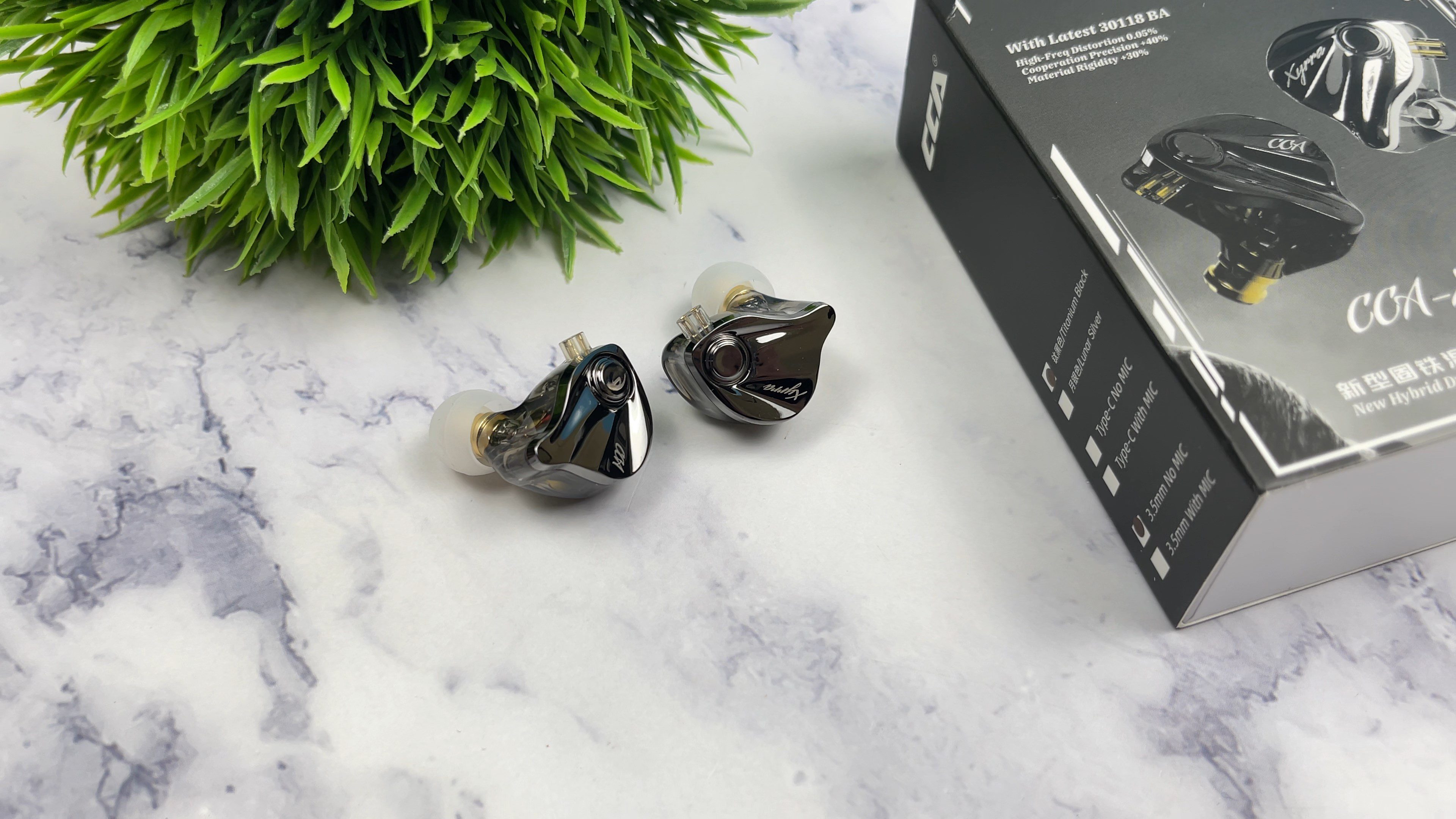
The budget audio market is incredibly competitive, and finding a pair of earphones that balance music fidelity with gaming performance is a constant challenge. I recently spent time testing the CCA Xyrra, a hybrid in-ear monitor that promises versatility without breaking the bank. Featuring a dual-driver setup, it aims to deliver clear acoustics and precise spatial awareness for both casual listeners and competitive gamers.
Pricing for the CCA Xyrra typically ranges between $14 and $25 on platforms like AliExpress and Amazon, depending on your choice of the version with or without an in-line microphone. At this price point, expectations are usually kept in check, but the inclusion of custom-tuned drivers and premium build materials caught my attention. I analyzed its sound signature, ergonomics, and daily usability to determine if it stands out in the crowded entry-level audio space.
Build Quality and Aesthetics
The CCA Xyrra features a visually striking design that combines a skin-friendly translucent resin body with a zinc alloy metal faceplate. This transparent shell allows you to see the internal drivers, giving the earphones a premium, sophisticated look. You can choose between two primary colorways, Lunar Silver and Titanium Black.

Despite the metallic components, the earpieces are surprisingly lightweight at just six grams each. This keeps ear fatigue to a minimum during extended listening or gaming sessions. The angled metal nozzles fit securely, though a small bump on the inner shell might cause slight friction depending on your ear shape.

The glossy metal faceplate does attract smudges and fingerprints quite easily. You will find yourself wiping them down frequently to maintain a pristine appearance. The material choice feels durable and constitutes a step up from entirely plastic alternatives in this price bracket.
Configuration and Hardware
Inside the resin housing, the CCA Xyrra utilizes a hybrid dual-driver configuration. A 10mm custom-tuned metal composite dynamic driver handles the low and mid frequencies. This is paired with a custom 30118 balanced armature dedicated specifically to the high frequencies.
The earphones operate with an impedance of around 27 to 33 ohms and a sensitivity of 110 dB. This makes them highly efficient and easy to drive straight out of a smartphone, tablet, or laptop. You do not need an expensive digital audio player or a dedicated amplifier to power them adequately.

Using a budget portable DAC or dongle can slightly improve instrument separation and clarity. I tested them directly through standard 3.5mm jacks and various dongles, and the volume output was always more than sufficient. The hardware implementation remains solid for the asking price.
Audio Performance and Sound Signature
The sound signature leans toward a neutral, U-shaped tuning with a very energetic mid-range. The treble is bright, airy, and retains plenty of detail without introducing harshness or sibilance at higher volumes. Acoustic tracks and pop music benefit significantly from this crisp, detailed high-end reproduction.
Vocals are incredibly prominent and clear, especially female voices, which sound rich and forward in the mix. Male vocals can occasionally sound a bit thin or processed, lacking that natural warmth found in warmer-tuned monitors. The lower mids are slightly recessed, which pushes the vocal performances to the absolute front of the track.

The bass response prioritizes the mid-bass over deep, thumping sub-bass extension. It lacks the sheer punch and thickness that dedicated bassheads typically look for in electronic or hip-hop tracks. The mid-bass can bleed slightly into the lower mids, making complex rock tracks sound mildly congested.
Soundstage and Instrument Separation
The spatial representation of the CCA Xyrra is moderate, lacking the expansive width found in higher-end audiophile monitors. The soundstage feels relatively contained, keeping the musical performance close to the listener. This intimate presentation works well for vocal-heavy tracks but struggles slightly with massive orchestral arrangements.
Instrument separation remains a strong point despite the narrower soundstage. You can easily identify individual instruments in well-mixed tracks, tracking acoustic guitars and cymbals accurately. This clear separation prevents most genres from collapsing into a chaotic wall of sound.

During dense rock or metal songs, the high-frequency elements occasionally clash with the energetic mid-bass. The balanced armature works hard to maintain clarity, yet the dynamic driver sometimes struggles to keep up with rapid drum patterns. Pacing and separation excel primarily in slower, more deliberate acoustic and classical compositions.
Gaming Experience and Spatial Awareness
Using wired in-ear monitors for gaming guarantees zero latency, giving you an immediate advantage over wireless alternatives. I tested the CCA Xyrra in competitive titles like Call of Duty Mobile, Apex Legends, and Battlefield. The directional audio and spatial imaging performed exceptionally well for a budget set.
The U-shaped tuning naturally highlights tactical audio cues like enemy footsteps, gunshots, and weapon reloads. You can easily pinpoint the direction and distance of incoming threats thanks to the accurate imaging. Explosions carry decent impact, though the lack of heavy sub-bass prevents them from sounding overly cinematic.

In racing simulators like Grid Legends, the engine notes and shifting sounds were distinctly separated from background noise. I noticed that ambient vehicle sounds could become slightly muddy during chaotic moments. Despite this minor flaw, they remain a highly capable and comfortable option for prolonged competitive gaming.
Final Thoughts — Price & Value
The CCA Xyrra delivers a highly functional dual-driver audio experience for roughly $20. The combination of an energetic, vocal-forward sound signature and precise spatial imaging makes it a versatile tool. It bridges the gap between casual music enjoyment and competitive zero-latency gaming effectively.

The striking zinc alloy and translucent resin build looks far more expensive than the actual retail price dictates. You do have to factor in the hidden costs of necessary upgrades, specifically buying better ear tips and potentially a replacement cable. Relying strictly on the flimsy included accessories will severely limit the acoustic potential of these monitors.
