

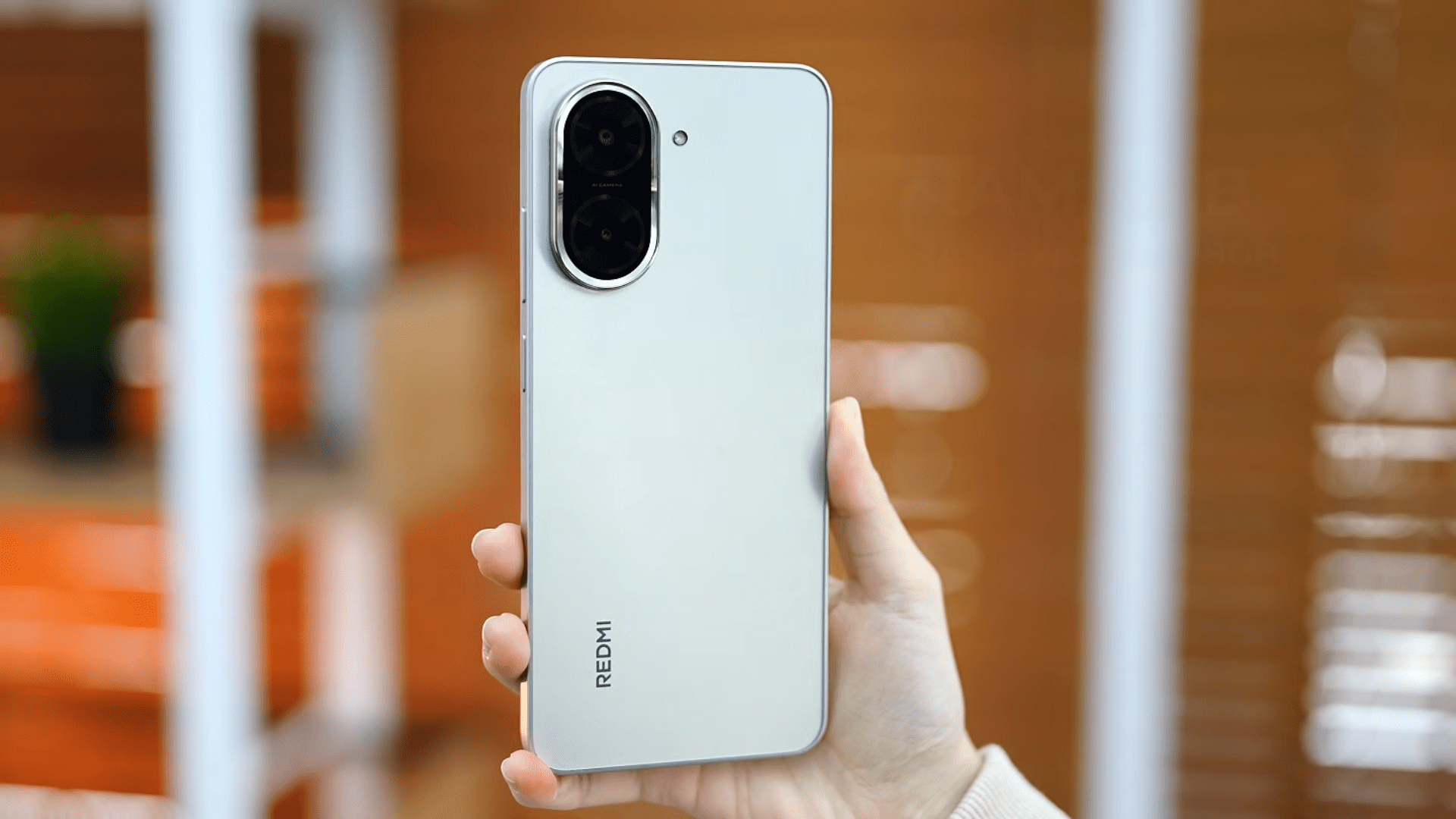
Xiaomi has always had a knack for delivering devices that punch way above their weight in the market of budget-friendly smartphones. The Redmi A5 is no exception, and it’s here to shake things up in the entry-level segment. For those who’ve been patiently waiting for an upgrade from the Redmi A3 (or even skipping over the Redmi A4 entirely), this device brings some solid improvements without breaking the bank. At just $100, the Redmi A5 isn’t just another cheap phone—it’s a thoughtfully designed gadget that manages to balance performance, battery life, and style in a way that makes you wonder how they pulled it off.
What’s really cool about the Redmi A5 is you’re not going to find any over-the-top specs or flashy gimmicks here, but what you will get is a smooth 120Hz display, a beefy 5,200mAh battery, and a surprisingly capable 32MP camera—all wrapped up in a sleek design that doesn’t scream “”budget phone.”” Honestly, it’s hard not to smile when you realize just how much phone you’re getting for your money.
Sure, there are a few compromises here and there—like the lack of Widevine L1 certification—but at this price point, it’s hard to complain too much. If you’re someone who needs a reliable daily driver or even a secondary phone for, the Redmi A5 might just be the perfect pick.

Xiaomi Redmi A5
The Verdict: An unbeatable entry-level smartphone under $100, featuring a smooth 6.88-inch 120Hz display, clean Android 14 Go experience, and massive 5,200mAh all-day battery life.
The Good (Pros)
- Fluid 120Hz display is rare and impressive under $100
- Huge 5,200mAh battery comfortably delivers 2 days of mixed usage
- Clean and lightweight software experience
- Modern minimalist aesthetics with tactile side fingerprint scanner
- Dedicated MicroSD card expansion slot
The Bad (Cons)
- Widevine L3 limitation restricts Netflix streaming to 480p SD
- No included fast charger in the box (supports 10W)
- Single downward-firing speaker
Quick Navigation (Table of Contents)
Design and Build Quality
The Redmi A5 look and feel like it belongs in a higher price bracket. The moment you pick it up, the first thing you’ll notice is how light and comfortable it feels in your hand. It’s not too big or bulky, even though it has a spacious 6.8-inch display. The back panel has a matte finish on most color options, which helps keep fingerprints and smudges at bay.
Speaking of colors, Xiaomi gave the Redmi A5 three distinct options: Midnight Black, Sandy Gold, and Light Green. Each one has it’s own personality. The Midnight Black is sleek and understated, perfect for people who prefer a classic look. The Sandy Gold, on the other hand, adds a touch of elegance with it’s subtle gold accents around the camera housing. It’s not overly flashy but still manages to catch the eye. Then there’s the Light Green, which is soft and refreshing, giving off a more youthful and playful vibe.

Now, let’s talk about the build quality. While the Redmi A5 isn’t made of premium materials like glass or metal, it doesn’t feel cheap either. The plastic frame and back panel are sturdy enough to handle everyday bumps and drops, especially if you use the included jelly case. Another nice detail is the texture of the back panel. It’s not completely smooth, but instead has a soft, almost velvety finish. This makes it easier to grip and reduces the chances of the phone slipping out of your hand.
The layout of the buttons and ports is pretty standard but functional. The power button and volume rockers sit on the right side, positioned just right so they’re easy to reach without straining your fingers. The SIM card tray is on the left, and it’s a hybrid slot, meaning you can either use two SIM cards or one SIM and a microSD card for extra storage. Around the back, the camera module is arranged neatly in a square housing, following the trend we’ve seen in many modern smartphones. It sticks out slightly, but not enough to wobble when you place the phone on a flat surface.

Display Quality: 6.88″ 120Hz Screen, Brightness & Readability
| Display Parameter | Redmi A5 Specifications | Real-World Assessment |
|---|---|---|
| Screen Size | 6.88 inches (IPS LCD) | Large immersive canvas for video and gaming |
| Resolution | HD+ (1640 x 720 pixels, 260 PPI) | Sharp enough for social media, clear fonts |
| Refresh Rate | 120Hz Adaptive | Noticeably smoother scrolling compared to standard 60Hz budget phones |
| Peak Brightness | 600 nit’s (HBM) / 450 nit’s (Typical) | Comfortable indoors; requires shading under direct harsh sunlight |
| Eye Protection | TUV Rheinland Low Blue Light Certified | DC dimming minimizes eye fatigue during evening reading |
The Redmi A5’s display is one of those features that makes you stop and think, “Wait, this is a budget phone?” It’s a 6.8-inch screen, which is pretty massive compared to many phones in it’s price range, and it gives you plenty of real estate for everything. The first thing you’ll notice is how vibrant and sharp the colors look. Xiaomi went with an HD+ resolution, so while it might not be as crisp as some high-end flagships, it still holds it’s own for everyday use. Text looks clear, images pop, and videos feel immersive. But what really sets the display apart, though, is the 120Hz refresh rate.

The brightness levels are decent for most situations, but they’re not perfect. Indoors or in low-light conditions, the screen looks fantastic—it’s easy on the eyes and adjusts well depending on the lighting around you. Xiaomi also added blue light reduction technology, which is great if you’re someone who spends hours staring at their phone late at night. It helps cut down on eye strain without making the colors look overly yellow or washed out. However, when you step outside into direct sunlight, things get a little tricky. The screen can struggle to stay visible in really bright environments, so you might find yourself shading it with your hand or cranking up the brightness to max just to see what’s on the screen.

One thing worth mentioning is how slim the bezels are. Xiaomi managed to keep them narrow, which makes the screen feel even bigger than it already is. There’s still a small dewdrop notch at the top for the front-facing camera, but it’s not intrusive at all.
Most of the ones people use every day work just fine on the Redmi A5. Social media apps load quickly, streaming platforms play videos without buffering (except for HD due to Widevine L1 limitations), and even gaming feels responsive.

Software and User Experience
The software on the Redmi A5 is where things get really interesting, especially for a phone in this price range. Xiaomi made a smart move by sticking with stock Android 15 (Go edition) instead of layering it with heavy customizations like Hyper OS. This decision makes the phone feel light and snappy, almost like using a much more expensive device. There’s no bloatware cluttering up your home screen, and everything just works smoothly without unnecessary hiccups. It’s the kind of experience that makes you forget you’re using an entry-level phone.

Navigating through the interface feels intuitive and straightforward. The menus are easy to understand, and there aren’t any confusing extras that might overwhelm casual users. Even if you’re not super tech-savvy, you’ll have no trouble finding your way around. Notifications and settings are organized neatly, making it easy to customize things to your liking. That’s doable too. Xiaomi didn’t overload the phone with gimmicky features, but they included enough useful tools to let you personalize your experience. For instance, there’s a built-in file manager that works efficiently, and the gallery app organizes photos logically without needing third-party help.
Performance and Hardware
The Redmi A5 might not scream “high-end powerhouse,” but it’s packing some solid hardware that gets the job done. At it’s core is the Uni SOC T7250 chipset, which is a noticeable step up from the Mediatek Helio G36 found in the Redmi A3. This upgrade makes the phone feel snappier and more capable, especially when you’re multitasking or running apps that need a bit of oomph. It’s not going to rival flagship processors, but for the price, it’s more than enough to keep things running smoothly.
| Feature | Redmi A5 Key Highlights |
|---|---|
| Display | 6.88″ IPS LCD, Smooth 120Hz Refresh Rate (HD+) |
| Processor | Unisoc T7250 Octa-Core (12nm) |
| Memory & Storage | Up to 4GB RAM + 128GB (Dedicated MicroSD Slot) |
| Cameras | 32MP AI Main Camera | 8MP Front Selfie |
| Battery & Charging | 5,200mAh All-Day Battery, USB Type-C (18W) |
| Price | ~$100 – $105 on AliExpress |
Now, let’s talk about RAM and storage. The Redmi A5 comes with 4GB of RAM, which is pretty standard for this price range. What’s cool, though, is the RAM expansion feature. If you’re running low on memory, the phone can borrow up to 4GB from the internal storage, giving you a total of 8GB. Storage-wise, you’re getting 128GB right out of the box. And if that’s not enough, there’s a microSD card slot that lets you add even more space—up to 1TB, actually.

Gaming performance is where the Redmi A5 surprises you. For casual gamers, this phone holds it’s own. In Mobile Legends, for example, you can crank the graphics to ultra and the frame rate to super, and the game runs buttery smooth. The average FPS stays around 58, even during intense team fights, and the lowest it dips is around 45. PUBG Mobile works fine too, though you’ll need to stick to lower settings. On high frame rates and SD graphics, the game stays stable with an average FPS of 29 and a minimum of 24. Sure, it’s not going to handle heavy AAA titles, but for mobile gaming staples, it’s more than capable.

Benchmark scores back up these real-world results. The Redmi A5 scores around 265,000 on AnTuTu, which isn’t mind-blowing but is respectable for a budget device. GPU tests show similar performance, with scores hovering around 912,000 in GFXBench. Geekbench numbers are modest, with single-core and multi-core scores at 439 and 1,469 respectively. These numbers tell you that while the phone isn’t built for hardcore gaming or heavy multitasking, it’s perfectly fine for regular tasks like browsing, streaming, and chatting.

One area where the Redmi A5 shines is stability. During 30-minute stress tests, the CPU maintained an average performance of 89%, meaning it doesn’t overheat or throttle easily. Even after extended gaming sessions, the temperature stayed under control, peaking at around 41 degrees Celsius. That’s impressive for a phone in this segment because overheating is often a problem with cheaper devices.
The lack of a gyroscope sensor is worth noting, though. This means you won’t be able to play games that rely on motion controls, like first-person shooters where tilting your phone adjusts your aim. It’s not a dealbreaker, but it’s something to keep in mind if you’re into those kinds of games.
Camera System
The Redmi A5’s camera system is one of the areas where Xiaomi decided to step things up, and it shows. The main camera boasts a 32MP sensor, which is a big upgrade from the 13MP shooter we’ve seen in previous models like the Redmi A3. This bump in resolution makes a noticeable difference, especially when you’re snapping detailed shots or cropping photos later. It doesn’t turn your phone into a DSLR, but for everyday photography, it gets the job done—and then some.

Taking pictures in good lighting is where the Redmi A5 truly shines. Colors come out vibrant without looking overprocessed, and details are sharp enough that you can zoom in a bit without everything turning into a blurry mess. Textures on objects like leaves, fabrics, or even food look natural, and the dynamic range is decent too. Shadows and highlights balance out well in most situations, so you don’t end up with blown-out skies or overly dark areas unless you’re shooting in extreme conditions.

Low-light performance has seen an improvement as well. Xiaomi claims the new sensor captures 18% more light compared to it’s predecessor, and that’s not just marketing talk—it actually works. Nighttime shots have less noise and retain more detail than you’d expect from a “budget phone.” Sure, they’re not going to rival flagship devices, but they’re good enough for social media posts or casual sharing. The camera app also includes a night mode, which helps brighten up dark scenes while keeping things from looking too grainy. It’s not perfect—some areas might still look a bit soft—but it’s a handy tool to have when the sun goes down.

One downside worth mentioning is the lack of advanced features like a dedicated macro lens or ultra-wide camera. While the main sensor does a great job, you won’t get those dramatic wide-angle shots or super close-up details that some other phones offer. It’s not a dealbreaker, but it’s something to keep in mind if you enjoy experimenting with different types of photography.
Video quality is solid for the price, though it’s not groundbreaking. You can record at 1080p, and the footage looks stable and clear in daylight. There’s no optical or electronic stabilization, so handheld videos might feel a little shaky if you’re moving around. Audio pickup is decent, capturing voices clearly in quiet settings, though wind noise can be an issue outdoors. Still, for vlogging or recording quick clips, the camera holds it’s own.
The front-facing camera is another highlight, and it’s something selfie lovers will appreciate. With an 8MP sensor and a built-in soft light ring around the dewdrop notch, this camera takes selfies that are clear and well-lit, even in dim environments. The light ring subtly illuminates your face, reducing harsh shadows and making skin tones look more natural. It’s not as flashy as some dedicated beauty modes, but it strikes a nice balance between enhancing your features and keeping things realistic. Group selfies work well too, thanks to the wide field of view that fit’s everyone in without needing to back up too far.

The camera app it’self is straightforward and easy to use. Modes like portrait, panorama, and pro mode give you a bit of creative control without overwhelming you. Portrait mode, in particular, works surprisingly well. The background blur effect looks natural, and edge detection is fairly accurate, though it might struggle with more complex subjects like hair or intricate patterns. Pro mode lets you tweak settings like ISO, shutter speed, and white balance, which is great if you want to take manual control over your shots.
Another cool feature is the AI scene detection. The camera automatically adjusts settings based on what you’re shooting—whether it’s food, landscapes, or people. This helps improve colors and exposure, making your photos look better without requiring any effort on your part. It’s not always spot-on, but it works well enough to make a difference in most cases.
Battery Life and Charging
The Redmi A5’s battery life is one of those features that makes you sit back and think, “Wow, this phone just keeps going.” With a massive 5,200mAh battery packed inside, it’s built to last through even the busiest of days. Let’s break it down a bit. In real-world tests, the phone showed some pretty solid numbers. Watching a 720p video for 30 minutes only drained about 4% of the battery, that’s not bad at all. Scrolling through apps like Instagram or TikTok for half an hour used up around 6%, which is also decent. Gaming, as expected, takes a bigger chunk of the battery—30 minutes of gameplay burned through about 11%. But even with that kind of usage, the Redmi A5 still has plenty of juice left to keep you going.

Charging speeds are decent but not mind-blowing. The phone comes with a 15W charger in the box, which gets the job done without feeling sluggish. While it’s not the fastest charging tech out there, it’s quick enough for a budget device like this. After a short break—say, 30 minutes or so—you’ll have enough charge to keep you going for hours.
One thing worth mentioning is how stable the phone stays during charging. Even when plugged in for a quick top-up, the phone doesn’t heat up excessively, which is always a good sign. There’s no wireless charging or fancy fast-charging gimmicks here, but honestly, you don’t need them at this price point. What you do get is a straightforward, reliable charging experience that works when you need it to.

Pros and Cons: The Real-World Trade-Offs
Pros:
- Outstanding value for money at the $100 price bracket.
- Huge 6.88-inch display with genuine 120Hz refresh rate.
- Massive 5,200mAh battery providing up to 2 full days of real use.
- Clean, lightweight Android 15 (Go Edition) without heavy bloatware.
- Dedicated 3.5mm headphone jack and separate MicroSD expansion slot.
- Fast and reliable side-mounted fingerprint scanner.
Cons:
- 720p HD+ resolution yields modest pixel density (~260 ppi) across 6.88 inches.
- Unisoc T7250 is optimized for daily tasks, not heavy 3D gaming.
- No 5G support (limited to 4G LTE connectivity).
- Charging speed tops out at 18W.
Final Thoughts — Price & Value
Xiaomi priced the Redmi A5 right around $100 to $105 on AliExpress, and that entry-level number changes how we evaluate this entire package. Finding a 6.88-inch display running at a fluid 120Hz refresh rate under the $110 mark was practically impossible just a year ago. Packing in a huge 5,200mAh battery alongside modern USB Type-C charging turns this device into an extraordinarily dependable daily companion for anyone who hates battery anxiety.
The trade-offs here are honest and easy to understand. Sticking with a 720p resolution on a screen this large means fine text won’t look as razor-sharp as a $300 mid-ranger, and the Unisoc T7250 silicon is tuned for social media, YouTube, and light gaming rather than heavy multitasking. Yet, by choosing clean Android 15 (Go Edition) without bloated software layers, the phone stays smooth and avoids the frustrating slowdowns that plagued earlier ultra-budget handsets.
For students, first-time smartphone buyers, or anyone seeking an affordable secondary backup device that lasts two days on a charge without feeling sluggish, the Redmi A5 delivers outstanding value. At this $100 price point, Xiaomi managed to raise the bar for what entry-level smartphones should offer.
Frequently Asked Questions: Xiaomi Redmi A5
Is the Redmi A5 good for mobile gaming like Free Fire and Roblox?
The Redmi A5 handles casual titles like Free Fire, Subway Surfers, and Roblox smoothly at 40 to 60fps. Demanding titles such as PUBG Mobile run playably on balanced or low graphical settings, but graphic-heavy 3D games like Genshin Impact will experience noticeable frame drops on the Unisoc T7250 chipset.
Does the Redmi A5 screen truly support a 120Hz refresh rate?
Yes. The Redmi A5 features a hardware-enabled 120Hz IPS LCD screen. This delivers noticeably smoother UI navigation, app transitions, and social media feed scrolling compared to standard 60Hz panels found in almost all competing sub-$100 smartphones.
How long does the 5,200mAh battery last in everyday use?
In hands-on battery endurance tests, the 5,200mAh battery delivers between 8.5 to 10 hours of continuous active screen-on time. Moderate everyday users who browse, text, stream YouTube, and make voice calls will comfortably stretch battery life to 1.5 or even 2 full days between charges.
Does the Redmi A5 feature a 3.5mm headphone jack and expandable storage?
Yes. Xiaomi retained the dedicated 3.5mm audio jack on the top edge for wired headphones. Furthermore, the SIM tray has three independent slots, allowing you to use two 4G Nano-SIM cards alongside a MicroSD card up to 1TB simultaneously.
What software version does the Redmi A5 run out of the box?
The phone launches with clean Android 15 (Go Edition). This stripped-down version of Android minimizes background RAM and processor overhead, ensuring snappy day-to-day responsiveness while preserving complete compatibility with all standard Google Play Store applications.
Related Smartphone Reviews & Budget Tech Guides
For shoppers comparing budget hardware options, check out our tested hands-on benchmarks of the predecessor Redmi A3 full review and our comprehensive buying guide to the best budget tablets under $200. You can also explore our broader coverage in the Smartphones Hub.
💡 Recommended Alternatives: Compare the entry-level king against our tested recommendations in our Redmi A3 Review, explore the latest rugged smartphones in our Rugged Phones Hub, and browse our top portable tech in the Smartphones Category.
